Service

Light Therapy (Red Light & Blue Light)

Banner Image

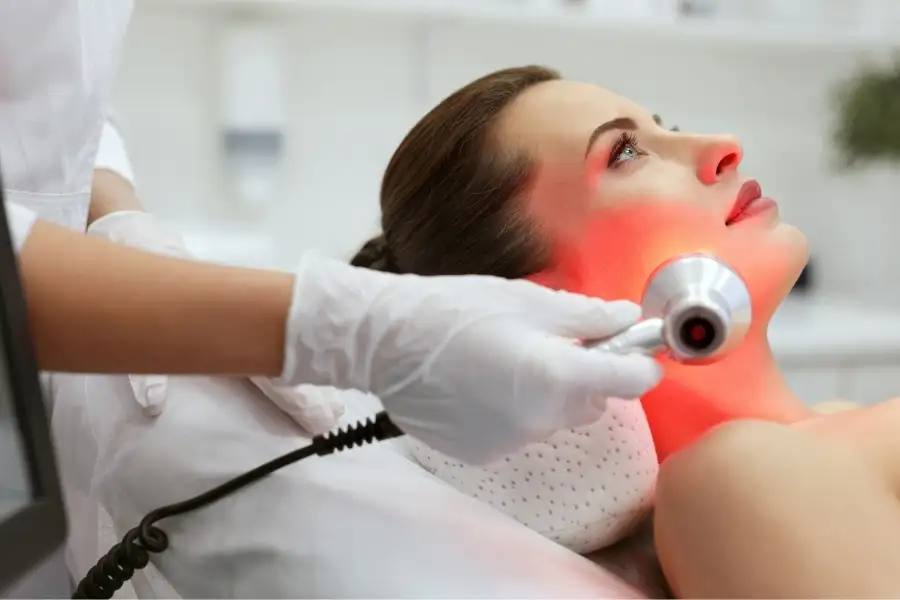
Light therapy uses specific wavelengths of visible light to interact with tissues in the skin and underlying structures. Different wavelengths produce different biological effects.

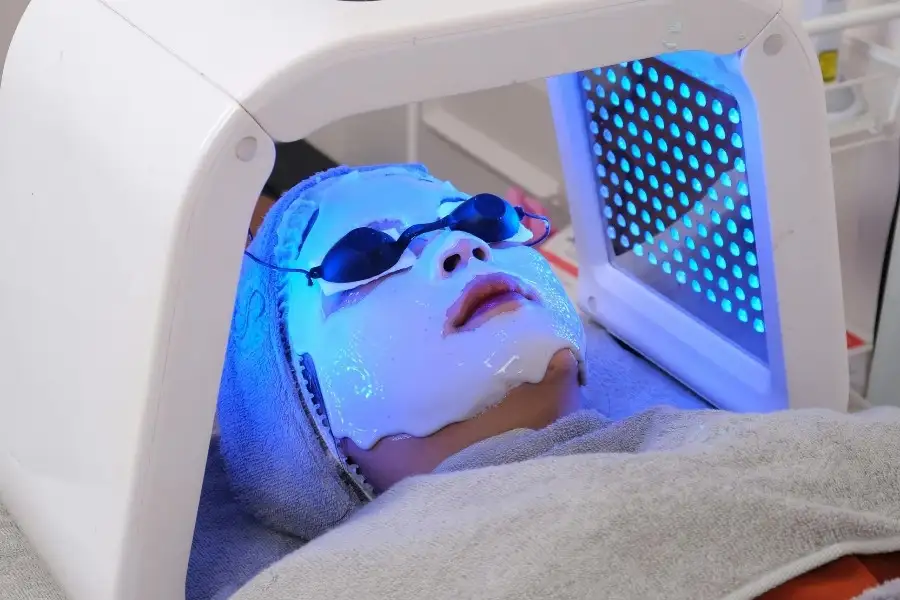
In practice, both red light and blue light therapy may be used depending on the clinical goal.

Light therapy can be used as a standalone treatment or as an adjunct to other therapies, such as acupuncture or cosmetic treatments.
Section Image

Types Of Light Therapy Used In Practice

Red Light Therapy

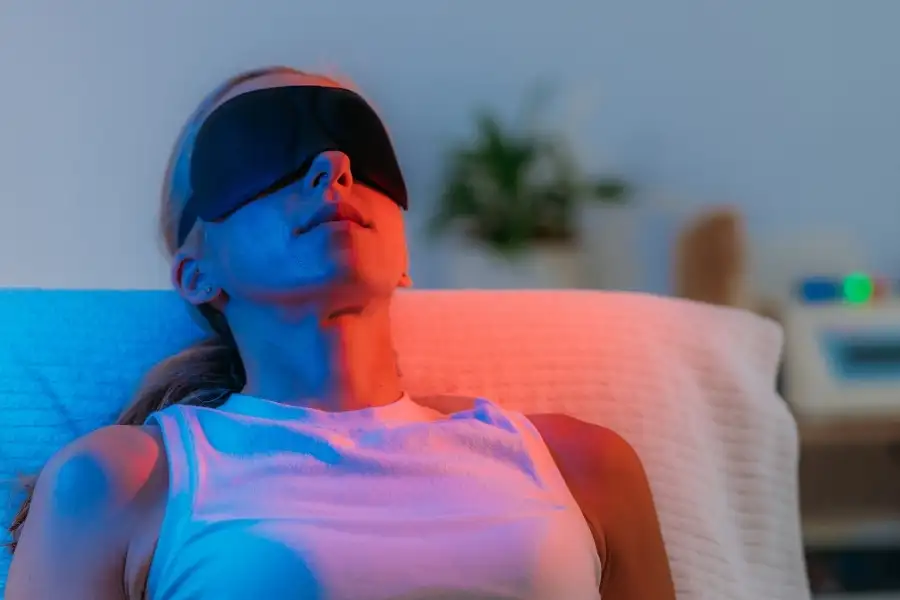
Red and near-infrared wavelengths penetrate deeper into the skin and soft tissues.

These wavelengths are commonly used to support:

  • musculoskeletal pain and inflammation
  • tissue recovery
  • circulation and tissue metabolism
  • skin rejuvenation and cosmetic treatments
  • post-procedure recovery following cosmetic acupuncture


Section Image

Blue Light Therapy

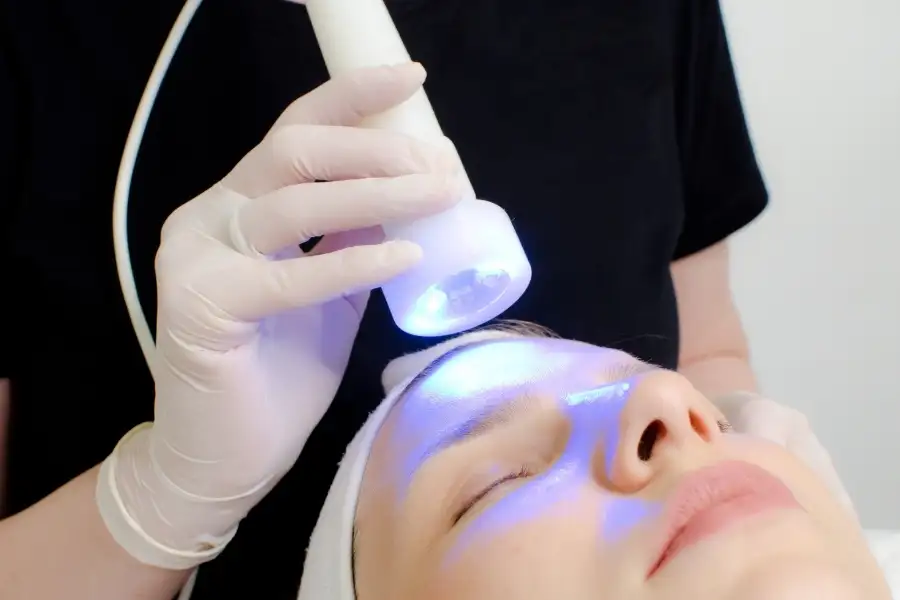
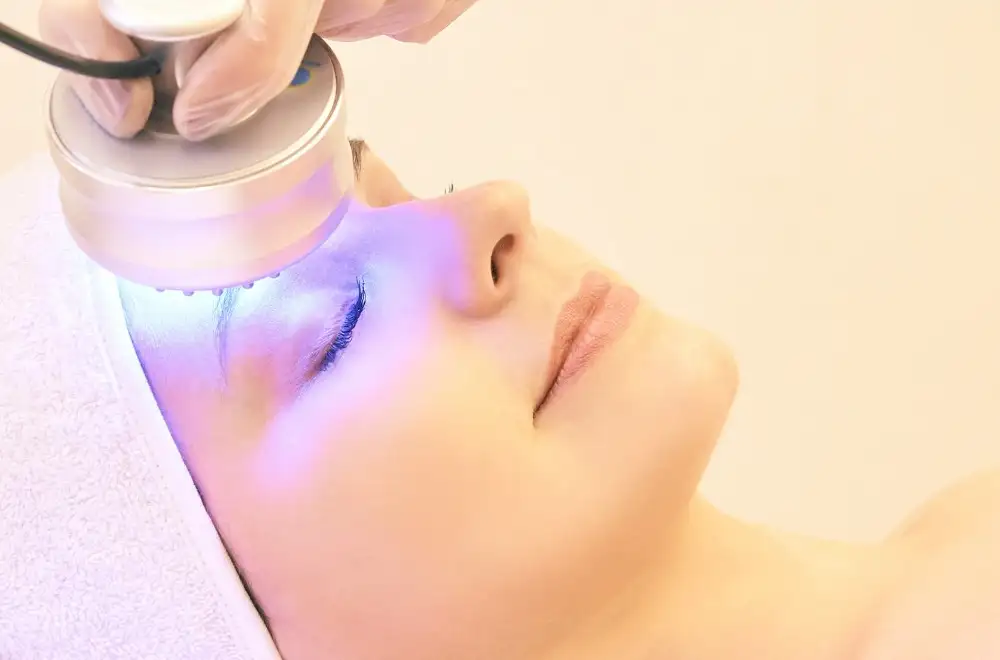
Blue light primarily interacts with the surface layers of the skin and is commonly used in dermatology.

Blue light therapy may be used to support management of:

  • acne-prone skin
  • bacterial skin imbalance
  • inflammatory skin breakouts

Section Image

How Light Therapy Works

Different wavelengths interact with cells in different ways.

Red light wavelengths may influence mitochondrial activity and cellular energy production, which can support tissue repair and recovery.

Blue light interacts with bacteria on the surface of the skin and may influence inflammatory pathways involved in acne.

Section Image

How Light Therapy May Be Used In Treatment

Light therapy can be used in several ways depending on the treatment plan:

  • Standalone therapy for skin or pain concerns
  • Combined with acupuncture for musculoskeletal or neurological conditions
  • Combined with cosmetic acupuncture to support skin health
  • Post-treatment support following certain procedures

Treatment sessions typically last several minutes depending on the device and treatment area.

Section Image

What A Typical Treatment Program May Include

Most light therapy protocols involve a series of sessions over several weeks, allowing tissues to gradually respond to treatment.

Programs may include:

  • Initial assessment to determine appropriate wavelength and treatment area
  • Regular treatment sessions scheduled weekly or several times per week
  • Re-evaluation of response after a series of treatments
  • Adjustments in treatment frequency based on progress

The number of sessions required varies depending on the concern being addressed and the individual's response to treatment.