
The skin is the body's largest organ, and changes on its surface often reflect what's happening beneath it. While skin conditions appear externally, factors such as inflammation, immune function, digestion, hormones, nutrition, stress, and sleep can all influence how the skin looks and behaves.

Common Skin Concerns

Every condition presents differently, which is why treatment begins with understanding both your symptoms and the factors influencing your skin health.

Patients commonly seek care for:

  • Acne

  • Rosacea

  • Eczema (Atopic Dermatitis)

  • Psoriasis

  • Chronic Itching

  • Acne scarring

  • Persistent skin inflammation

Section Image

Looking Beyond the Skin

My approach is to understand both the visible skin concern and the underlying factors that may be contributing to it. By combining lifestyle and nutritional strategies with evidence-informed in-office therapies, treatment plans are tailored to each individual's needs and goals.

I commonly work with patients experiencing acne, rosacea, eczema, psoriasis, and other chronic inflammatory skin conditions.


Section Image

Understanding Your Skin

Healthy skin is influenced by many interconnected body systems. During your assessment, I may explore factors such as:

  • Digestive health
  • Dietary patterns
  • Stress and nervous system regulation
  • Sleep quality
  • Hormonal healthImmune function
  • Nutritional status
  • Lifestyle factors

Rather than focusing solely on reducing visible symptoms, the goal is to identify patterns that may contribute to chronic or recurring skin concerns.

Section Image

The Gut-Skin Connection

Research continues to highlight the close relationship between digestive health and the skin. Many people living with chronic skin conditions also experience digestive symptoms such as bloating, altered bowel habits, or food-related symptom flare-ups.

While not every skin condition originates in the gut, digestive health is an important consideration in many patients. When appropriate, assessment may include dietary review, laboratory testing, or functional investigations to better understand how digestive health may be influencing skin function.

By supporting the gut alongside the skin, treatment plans often become more comprehensive and individualized.

Section Image

Combining Internal And External Care

One of the strengths of naturopathic medicine is the ability to combine whole-body care with targeted in-office treatments.

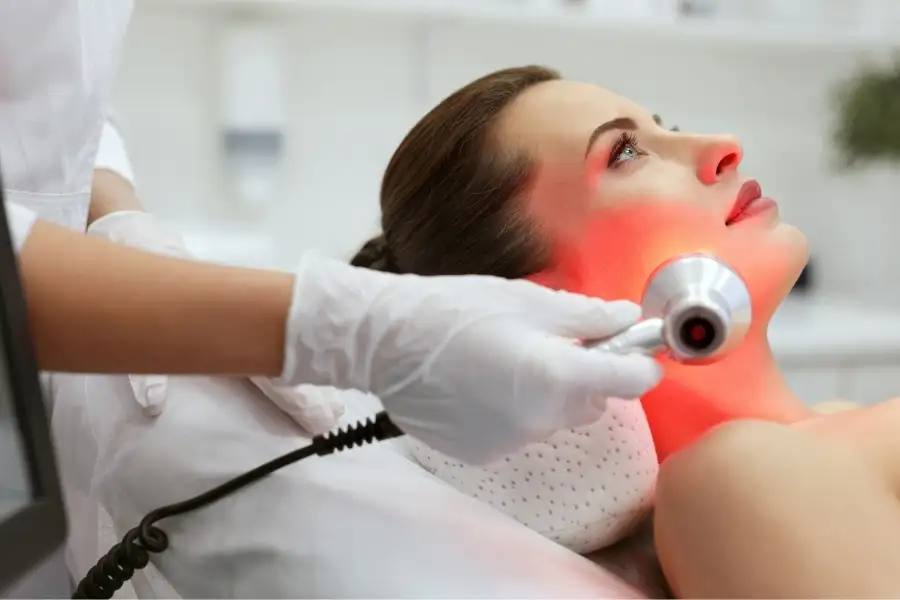
Depending on your individual needs, your treatment plan may include nutritional and lifestyle strategies alongside therapies such as NB-UVB phototherapy, Blue Light Therapy, and Red Light Therapy.

This integrated approach allows treatment to address both the factors contributing to skin disease and the visible symptoms themselves.

Section Image

A Personalized Approach To Skin Health

No two patients experience skin disease in exactly the same way. My goal is to understand the factors that are unique to you and develop a treatment plan that supports healthier skin while improving your overall health and quality of life.

FAQs

Frequently Asked Questions

Naturopathic Doctors can effectively treat conditions like acne, eczema, rosacea, and dryness, focusing on natural therapies.

Treatment duration varies among individuals; however, noticeable improvements often occur within several weeks to months.

Yes, various natural remedies including herbal tinctures, topical applications, and diet modifications are recommended to improve skin health.