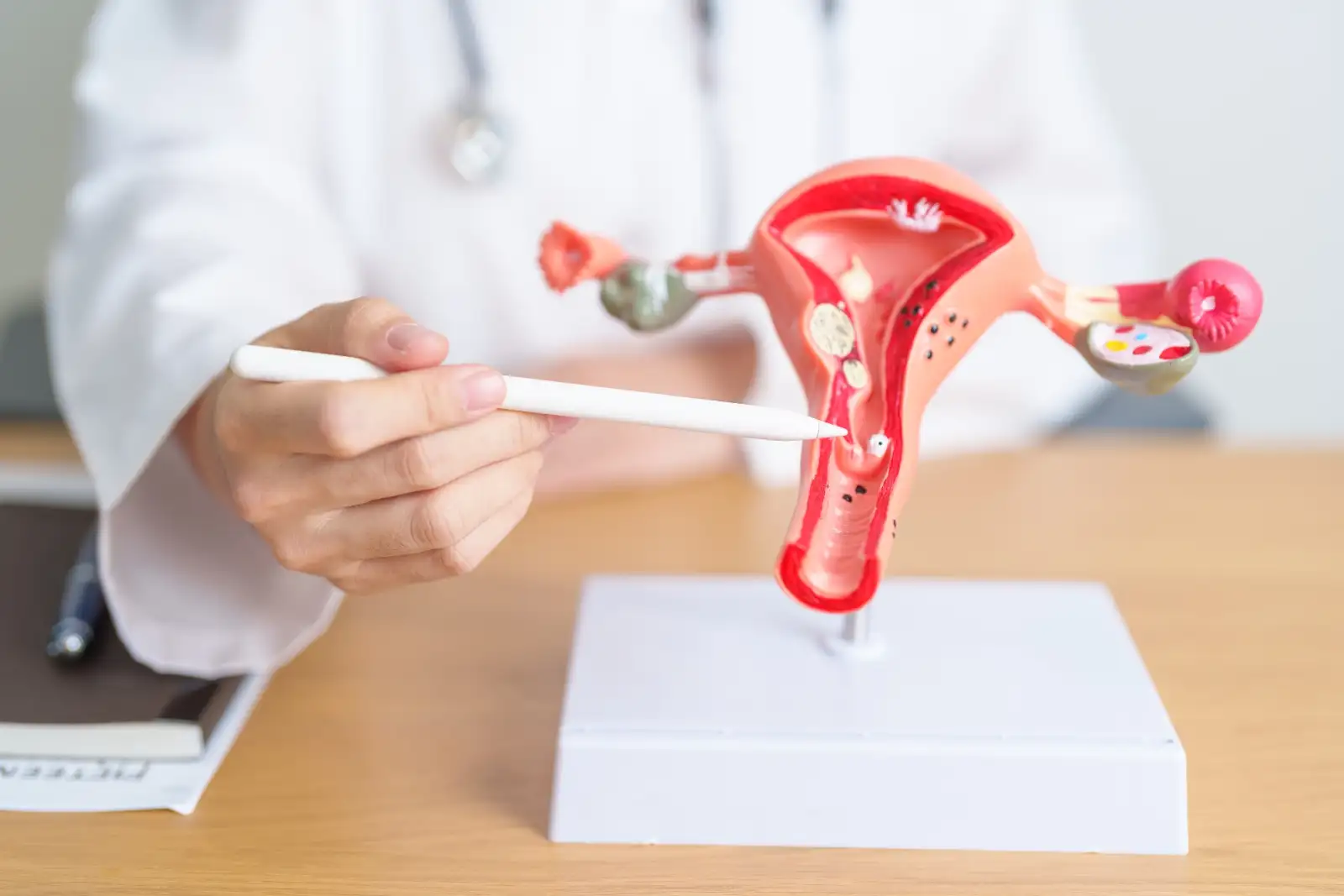
Endometriosis is a condition in which tissue similar to the lining of the uterus grows outside the uterus, most commonly within the pelvis. These lesions can affect the ovaries, fallopian tubes, bowel, bladder, and surrounding tissues, often leading to chronic inflammation, scarring, and persistent pain.


Recognizing the Signs & Symptoms

Common symptoms include:

  • Painful periods

  • Chronic pelvic pain

  • Pain during intercourse

  • Painful bowel movements or urination around menstruation

  • Heavy menstrual bleeding

  • Bloating

  • Fatigue

  • Difficulty conceiving

Section Image

Looking Beyond Hormones

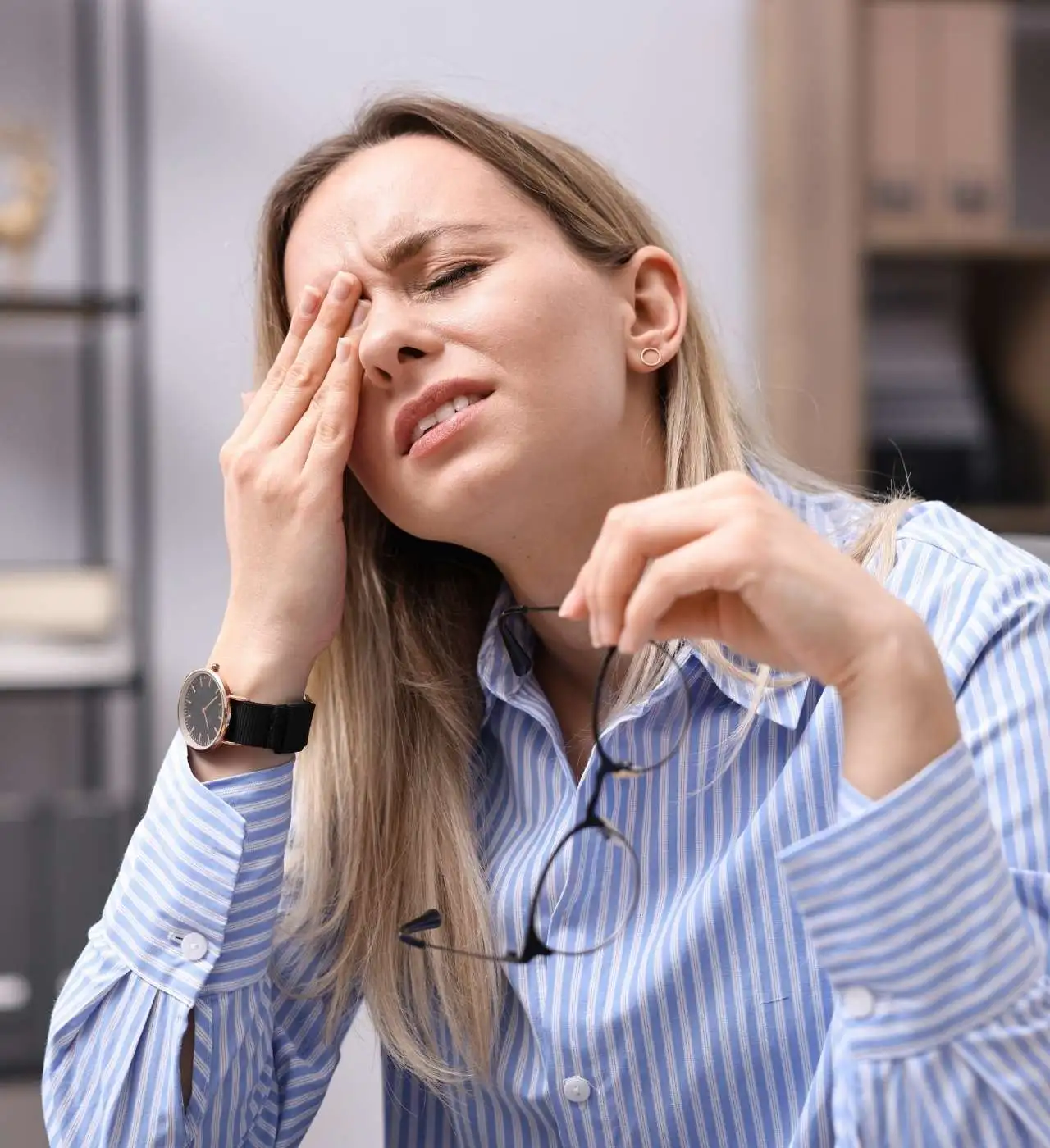
Symptoms can include painful periods, chronic pelvic pain, pain with intercourse, painful bowel movements or urination during the menstrual cycle, fatigue, bloating, and fertility challenges. For many people, endometriosis affects far more than their menstrual cycle, impacting work, relationships, physical activity, and overall quality of life.

Section Image

The Bigger Picture

While hormones play an important role, endometriosis is increasingly understood as a complex inflammatory condition involving immune dysfunction, abnormal tissue growth, and changes within the local pelvic environment. My approach reflects this broader understanding, looking beyond hormone balance alone to support the whole person.

Section Image

How I Think About Endometriosis

When I assess someone living with endometriosis, I look beyond the menstrual cycle alone. I also consider the broader factors that influence symptoms and long-term health, including:

  • InflammationImmune function
  • Pain sensitization
  • Bowel and bladder health
  • Fatigue and energy levels
  • Quality of life and daily function

Many patients have already explored pain medications, hormonal therapies, or surgery before seeking naturopathic care. My role is to help identify additional opportunities to support symptom management, improve resilience, and complement their existing medical care.

Section Image

Diagnosis & Collaborative Care

Diagnosing endometriosis often requires collaboration between healthcare providers. While surgery was once considered essential for diagnosis, advances in imaging and updated clinical guidelines mean many patients can now be diagnosed without an operation when imaging findings are clear.

As a naturopathic doctor, I work alongside family physicians, gynecologists, fertility specialists, and other members of your healthcare team. My role is to support the inflammatory, metabolic, and lifestyle factors that influence symptoms while ensuring patients receive appropriate medical investigation and treatment when needed.


Section Image

A Broader Treatment Approach

Treatment is individualized and may include:

  • Nutrition counselling
  • Anti-inflammatory lifestyle strategies
  • Acupuncture
  • Botanical medicine
  • Nutritional supplementation
  • Stress management and nervous system support
  • Collaboration with your medical team

Rather than focusing on a single intervention, the goal is to develop a comprehensive plan that supports symptom management, recovery, and long-term quality of life.

Section Image

A Whole-Person Approach

Endometriosis deserves to be treated as more than a menstrual disorder. It is a complex condition that can influence many aspects of physical and emotional health.

My goal is to help patients better understand their condition, reduce the burden of chronic symptoms, and build a treatment plan that supports both their immediate concerns and their long-term wellbeing.

FAQs

Frequently Asked Questions

Numerous treatments for endometriosis exist, ranging from dietary changes and herbal supplements to hormone therapy and lifestyle modifications. A naturopathic approach emphasizes natural therapies to alleviate symptoms and promote healing.

Yes, dietary choices significantly impact endometriosis symptoms. Anti-inflammatory foods, such as fruits, vegetables, and omega-3 fatty acids, can help reduce pain and inflammation, enhancing overall well-being.

A naturopathic doctor develops individualized treatment plans focused on balancing hormones, reducing inflammation, and addressing the root causes of endometriosis through natural methods such as dietary adjustments and herbal medicine.