
Service

Botanical Medicine

Banner Image

A Foundational Therapy in Naturopathic Medicine

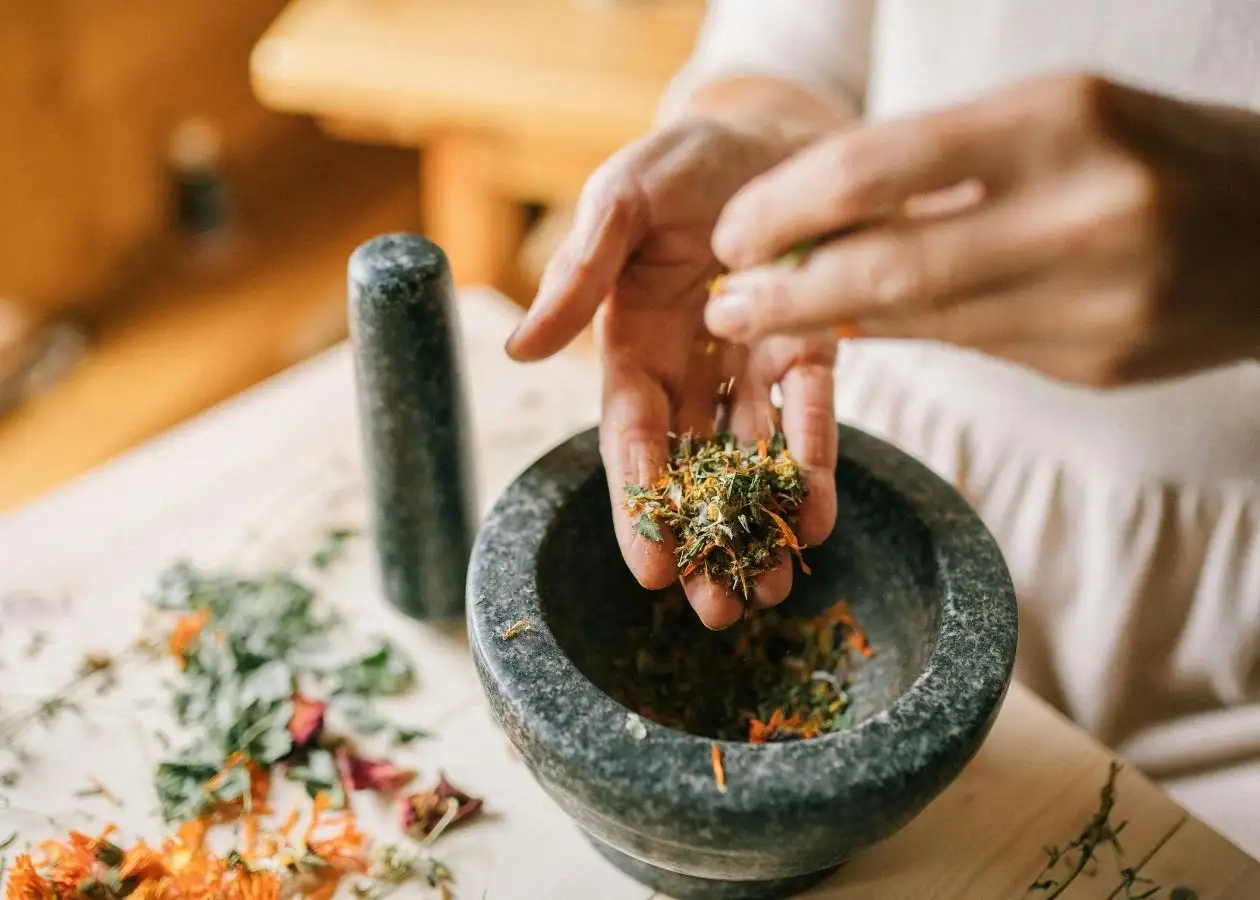
Botanical medicine is one of the oldest and most enduring forms of healthcare. Long before modern pharmaceuticals existed, physicians across cultures relied on plants to support healing and restore balance in the body. Today, botanical medicine continues to play an important role in naturopathic care, bridging traditional clinical knowledge with modern scientific understanding.

In my practice, botanical medicine is used as a therapeutic tool within a broader naturopathic treatment plan. Herbs may be considered alongside nutrition, lifestyle medicine, acupuncture, and other treatments to support the body’s natural healing processes.

Section Image

The Modern Context Of Herbal Medicine

We are currently living through a remarkable period in the evolution of herbal medicine. There is growing openness within the healthcare community to the clinical insights of herbal practitioners, and research on medicinal plants continues to expand rapidly. Modern pharmacology is helping us better understand how plant compounds interact with human physiology.

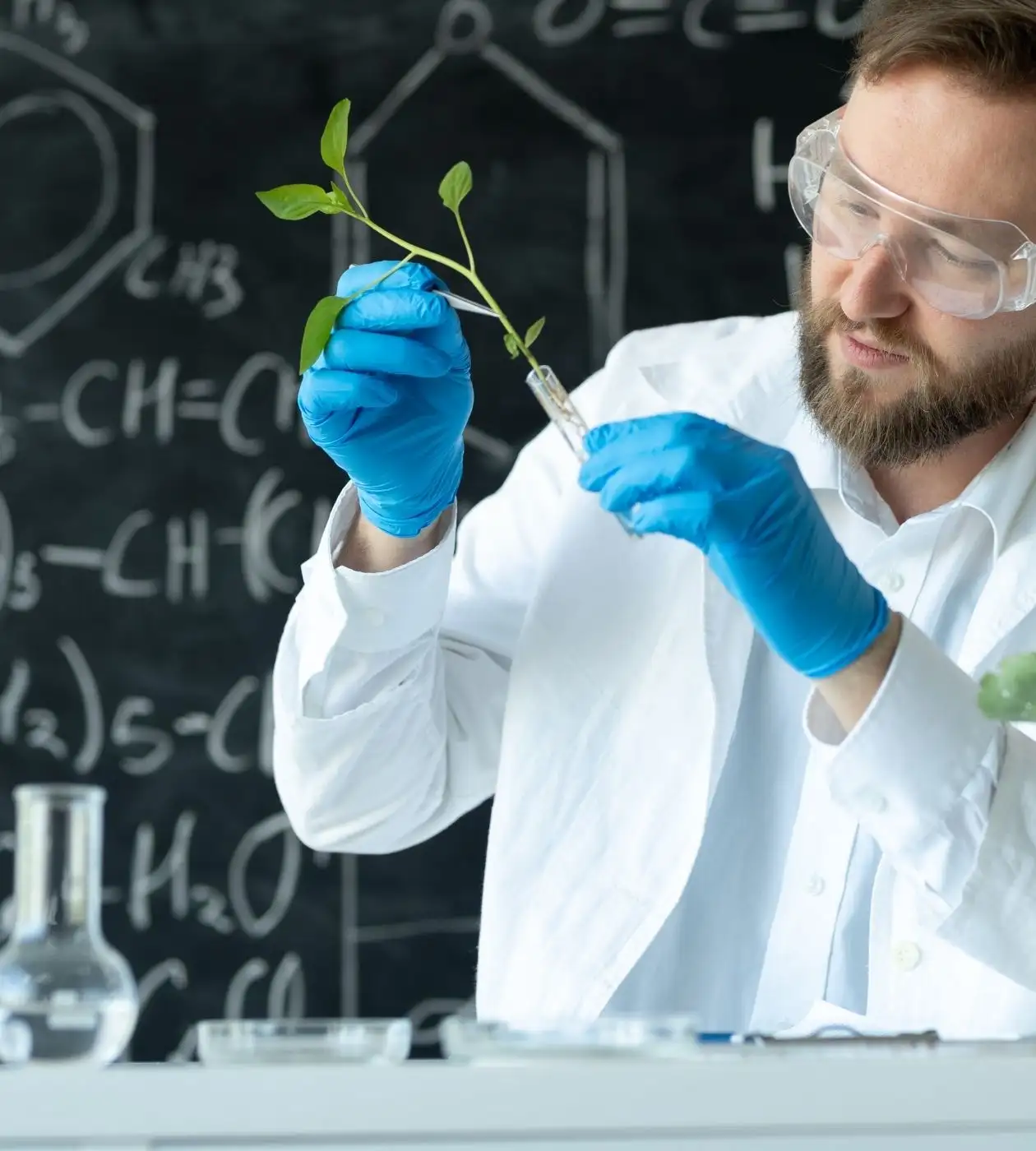
Many herbs contain complex combinations of phytochemicals that demonstrate measurable pharmacological actions. These plant constituents may influence inflammation, metabolism, digestion, immune signaling, nervous system function, and other physiological processes. As research progresses, we continue to gain insight into how traditional herbal therapies may work at a biochemical level.

At the same time, herbal medicine is not defined by laboratory research alone. The clinical use of medicinal plants also draws from centuries of observation and experience from traditional practitioners.

Section Image

Bridging Tradition And Science

Western herbal medicine sits at the intersection of two important knowledge systems:

  • Traditional clinical herbalism, which reflects generations of practitioner experience using whole plants therapeutically
  • Modern scientific research, which helps explain the pharmacology and mechanisms behind herbal actions

Rather than viewing these perspectives as opposing forces, modern naturopathic practice attempts to bring them together.

Clinical experience often guides the way herbs are used in practice, while scientific research helps refine our understanding of their safety, actions, and interactions within the body. This integrative approach allows botanical medicine to evolve while maintaining its traditional foundations.

Section Image

Whole Plants Vs. Isolated Compounds

In modern natural health markets, many remedies are presented as isolated nutrients or standardized extracts packaged as supplements. While these products can play a role in clinical care, they represent only one part of the tradition of herbal medicine.

Classical botanical medicine focuses on the plant itself. Whole herbs contain complex mixtures of compounds that may work together synergistically. In some cases, these natural combinations may produce broader physiological effects than isolated constituents alone.

Because of this complexity, botanical medicine is not simply about selecting a chemical compound. It involves understanding the plant as a therapeutic system and selecting herbs based on both their traditional uses and modern evidence.

Section Image

Individualized Herbal Prescribing

When botanical medicine is used in my practice, herbs are selected based on a patient’s individual health picture. Considerations may include:

  • Current symptoms and health concerns
  • Underlying physiological patterns
  • Medical history and medications
  • Lifestyle and environmental factors
  • Evidence from both clinical tradition and modern research

Herbal preparations may be recommended in various forms, including tinctures, teas, capsules, or standardized extracts depending on the clinical context.

Because herbs can have meaningful pharmacological effects, their use is approached thoughtfully and carefully within the overall treatment plan.

Section Image

Respecting The Tradition Of Herbal Medicine

Western herbal medicine is built upon a long lineage of practitioners who documented the therapeutic use of plants through careful clinical observation. Many of the herbal strategies used today draw from the work of traditional herbalists, Eclectic physicians in the United States, and medical herbalists in the United Kingdom.

While new research continues to emerge, much of this traditional knowledge remains highly relevant. The goal of modern naturopathic practice is not to abandon these foundations, but to continue building upon them.

By combining clinical experience, traditional herbal knowledge, and modern scientific understanding, botanical medicine remains a powerful and evolving part of naturopathic healthcare.