
Service

Bioidentical Hormone Replacement Therapy

Banner Image

Supporting Hormonal Health Through Life's Transitions

Hormones influence nearly every system in the body, including metabolism, sleep, mood, energy production, cognitive function, bone health, and reproductive health. As hormone levels change throughout life, some individuals may experience symptoms that significantly impact their quality of life.

Bioidentical Hormone Replacement Therapy (BHRT) involves the use of hormones that are structurally identical to those naturally produced by the human body. BHRT may be considered as part of a comprehensive treatment plan for individuals experiencing symptoms associated with perimenopause, menopause, or other hormone-related concerns.

Treatment recommendations are based on a thorough assessment of symptoms, health history, laboratory findings, and individual risk factors.


Section Image

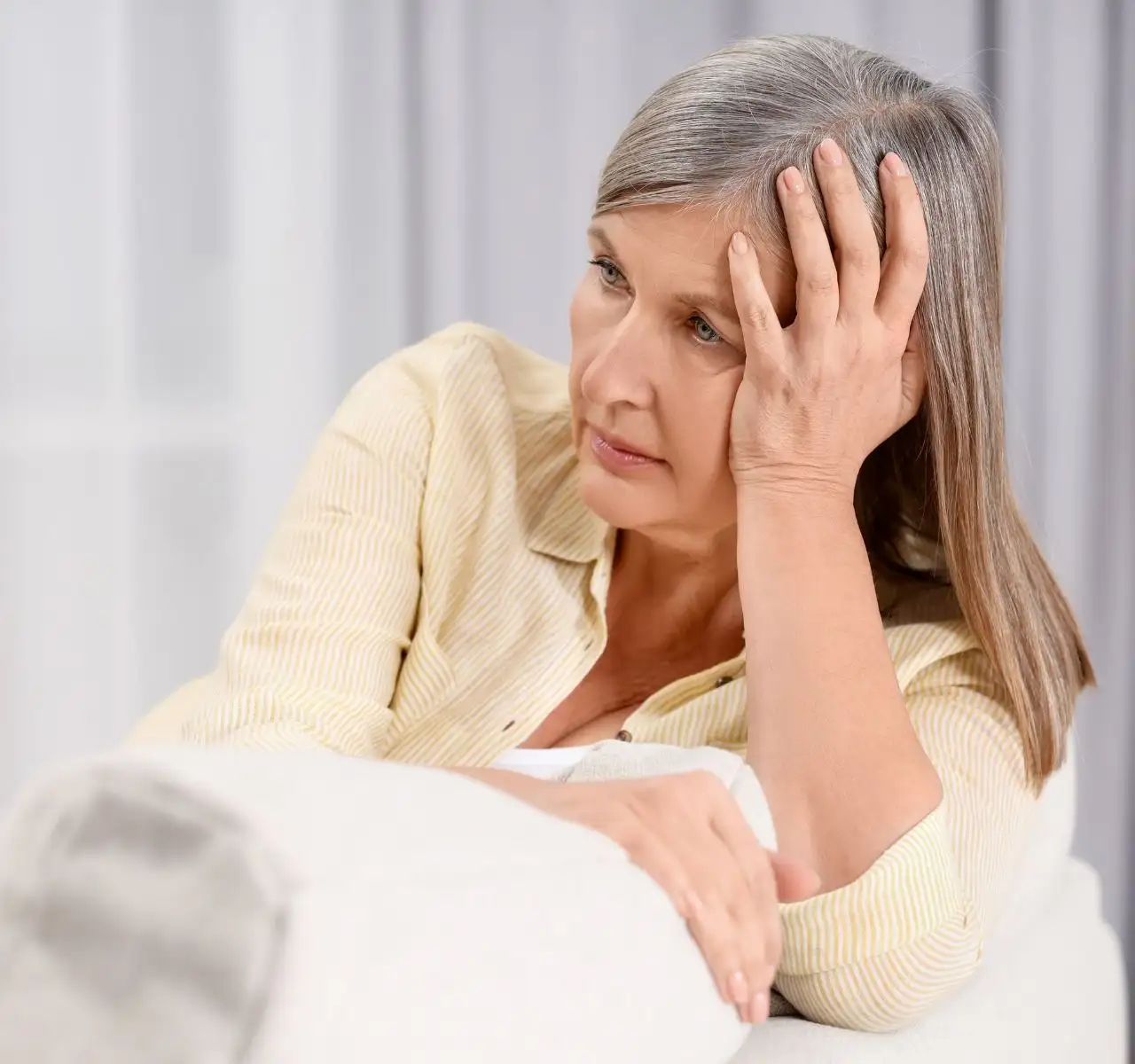
Signs & Symptoms of Perimenopause

  • Changes in menstrual cycle length or flow
  • Increased PMS symptoms
  • Mood fluctuations
  • Anxiety or irritability
  • Sleep disturbances
  • Brain fog or difficulty concentrating
  • Fatigue
  • Reduced stress tolerance
  • Changes in libido
  • Weight gain or altered body composition

Section Image

Signs & Symptoms of Menopause

  • Hot flashes
  • Night sweats
  • Sleep disruption
  • Vaginal dryness
  • Decreased libido
  • Brain fog
  • Joint discomfort
  • Mood changes
  • Reduced energy
  • Changes in skin and hair quality

Section Image

Hormonal Imbalance Patterns

  • Fatigue
  • Difficulty recovering from stress
  • Poor sleep quality
  • Changes in body composition
  • Menstrual irregularities
  • Low libido
  • Mood instability
  • Cognitive changes

Section Image

Understanding Hormonal Changes

Hormonal transitions rarely involve a single hormone changing in isolation. Estrogen, progesterone, testosterone, cortisol, thyroid hormones, and insulin all interact with one another to influence how we feel and function.

During perimenopause, hormone levels often fluctuate significantly from month to month. This variability can contribute to symptoms long before menstrual cycles fully stop.

Menopause occurs when ovarian hormone production declines permanently, often leading to symptoms such as hot flashes, sleep disturbances, vaginal dryness, and changes in mood or cognition.

A comprehensive assessment helps determine whether symptoms may be related to hormonal changes and whether BHRT is an appropriate option.

Section Image

A Comprehensive Naturopathic Approach

Hormone therapy is only one component of supporting hormonal health.

Before recommending treatment, factors that may influence hormonal symptoms are often evaluated, including:

  • Sleep quality and circadian rhythm
  • Stress and nervous system regulation
  • Nutritional status
  • Blood sugar regulation
  • Thyroid function
  • Digestive health
  • Physical activity patterns
  • Medication use
  • Cardiovascular risk factors

In many cases, lifestyle, nutrition, and other supportive therapies may be incorporated alongside hormone therapy to create a more comprehensive treatment plan.

Section Image

What Is BHRT?

What Is Bioidentical Hormone Replacement Therapy?

Bioidentical hormones are designed to match the molecular structure of hormones naturally produced by the body.

Depending on the individual's needs, treatment may involve:

  • Estrogen therapy
  • Progesterone therapy
  • Testosterone therapy
  • Combination hormone protocols

Section Image

Hormone Prescriptions

Hormones may be prescribed in several forms, including:

  • Oral capsules
  • Topical creams
  • Transdermal preparations
  • Vaginal preparations

The specific treatment approach depends on clinical goals, symptoms, laboratory findings, and safety considerations.

Section Image

Reasons BHRT May Be Considered

BHRT may be considered for individuals experiencing symptoms associated with hormonal decline or hormonal fluctuation.

Examples include:

Vasomotor Symptoms

  • Hot flashes
  • Night sweats
  • Temperature dysregulation

Section Image

Sleep Concerns & Cognitive Symptoms

Sleep Concerns

  • Difficulty falling asleep
  • Frequent waking
  • Early morning waking
  • Non-restorative sleep

Cognitive Symptoms

  • Brain fog
  • Difficulty concentrating
  • Memory concerns
  • Reduced mental clarity

Section Image

Mood Changes & Genitourinary Symptoms

Mood Changes

  • Irritability
  • Anxiety
  • Emotional volatility
  • Reduced resilience to stress

Genitourinary Symptoms

  • Vaginal dryness
  • Pain with intercourse
  • Recurrent urinary discomfort
  • Changes in urinary frequency

Section Image

Quality of Life Concerns

  • Reduced energy
  • Reduced libido
  • Changes in motivation
  • General decline in wellbeing

Section Image

Assessment And Monitoring

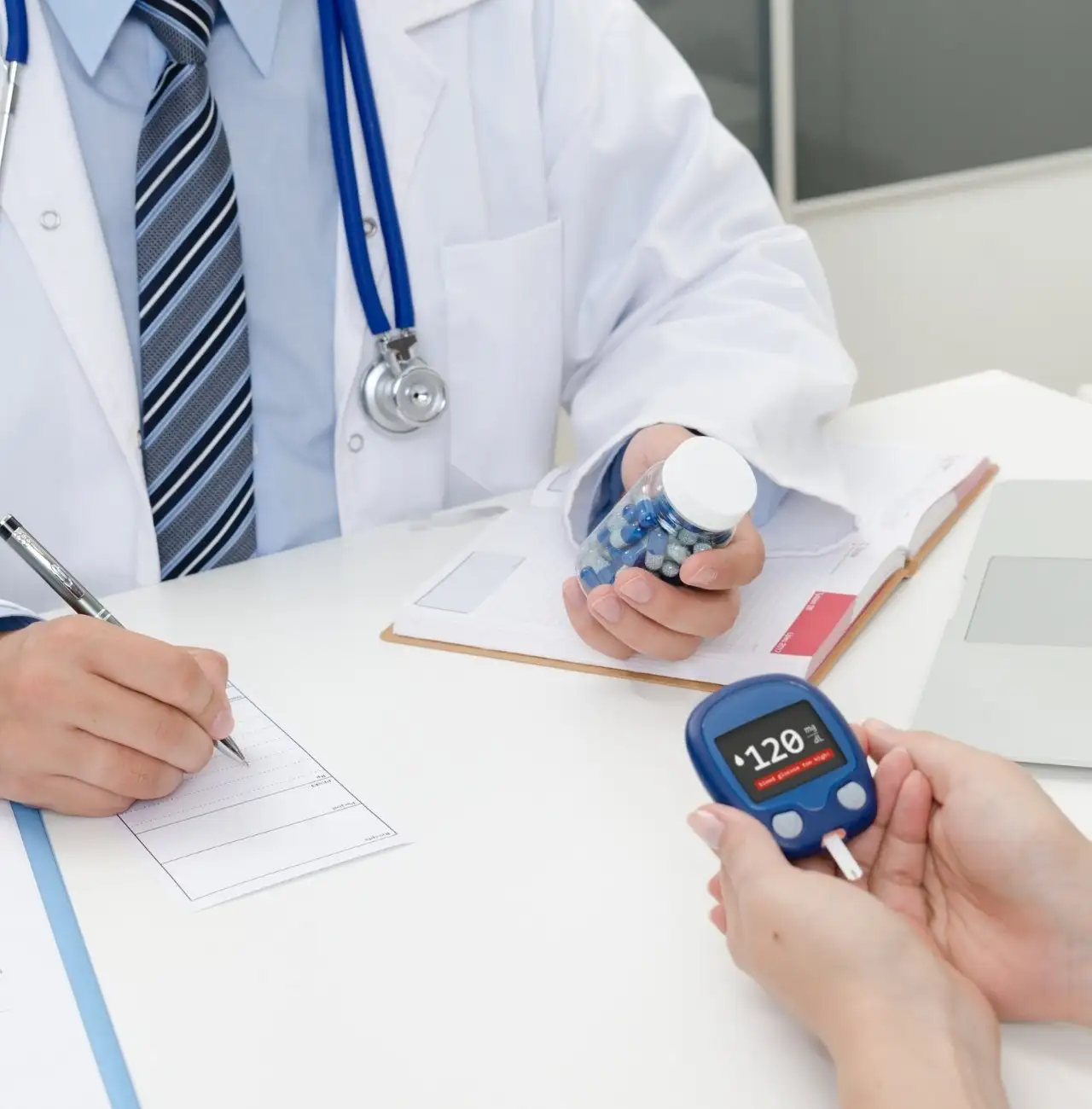
BHRT requires ongoing medical monitoring to ensure treatment remains appropriate and effective.

Assessment may include:

  • Comprehensive health history
  • Review of symptoms
  • Blood work
  • Cardiovascular risk assessment
  • Review of personal and family medical history

Follow-up appointments are used to monitor response to treatment and determine whether adjustments are needed.

Section Image

Safety Considerations

Not every patient is an appropriate candidate for hormone therapy.

Certain medical conditions may require additional investigation or may influence whether BHRT is recommended. Treatment decisions are made on an individual basis following a discussion of potential benefits, risks, alternatives, and monitoring requirements.

The goal is to develop a treatment plan that aligns with both symptom management and long-term health considerations.

Section Image

Building A Personalized Hormone Health Plan

Every hormonal transition is different.

Some patients benefit from lifestyle and nutritional interventions alone, while others may be candidates for hormone replacement therapy. Many treatment plans involve a combination of approaches designed to support symptom management, quality of life, and overall health.

The objective is to create a personalized plan that addresses both current symptoms and the broader factors influencing hormonal wellbeing.