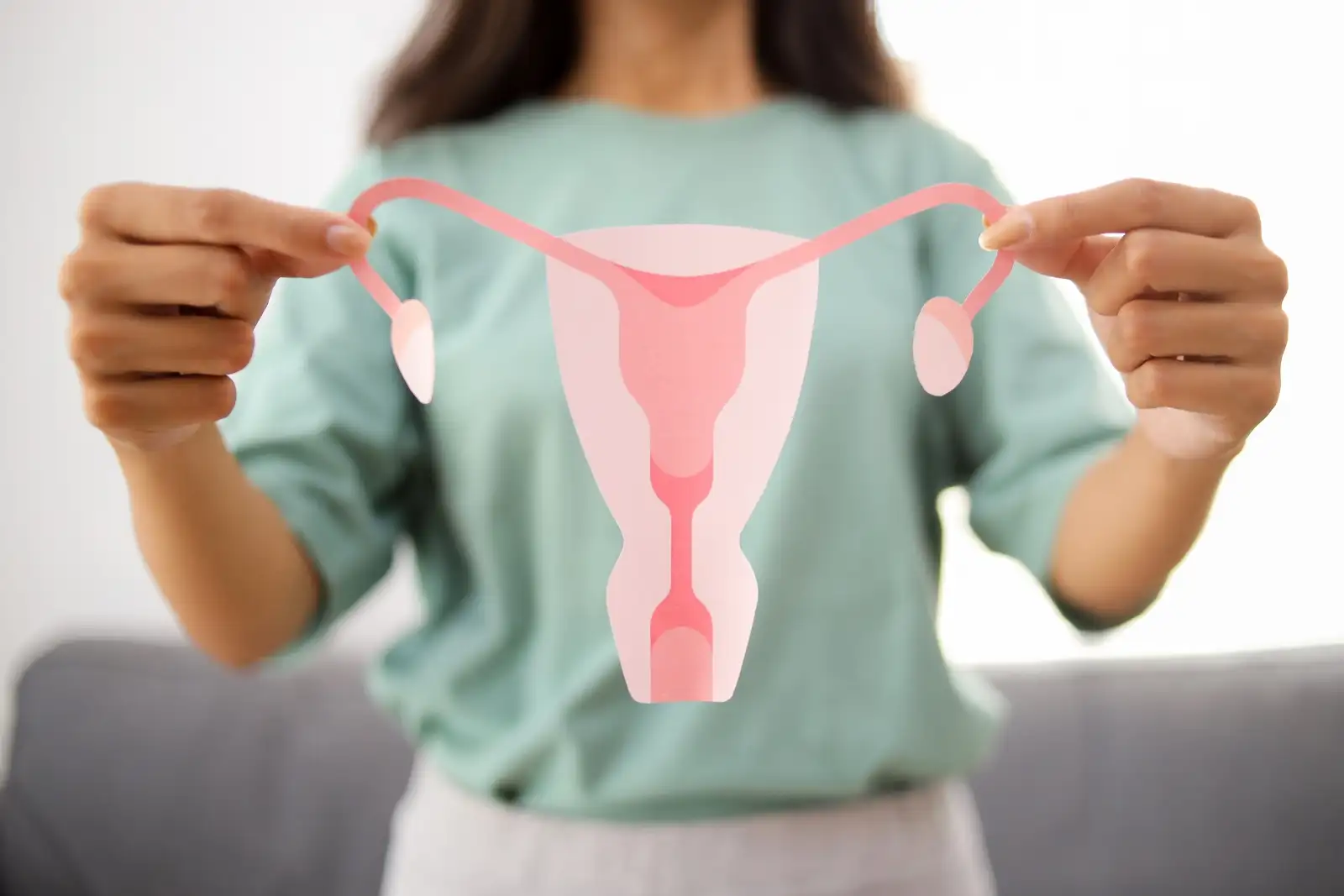
Polyendocrine Metabolic Ovarian Syndrome (PMOS), previously known as Polycystic Ovary Syndrome (PCOS), is one of the most common hormonal conditions affecting individuals of reproductive age. It can impact menstrual cycles, fertility, metabolism, skin health, energy levels, mood and overall well-being. While symptoms can vary, PMOS is often associated with irregular periods, acne, excessive hair growth, insulin resistance, weight changes, and fertility challenges.

Identifying PMOS Symptoms

Understanding the signs of Polyendocrine Metabolic Ovarian Syndrome (PMOS) is crucial for timely intervention. Recognizing these symptoms empowers women to seek appropriate treatment and support.

The following are common indicators of PMOS:


  • Irregular periods

  • Hirsutism (excessive hair growth)

  • Acne

  • Insulin resistance

  • Food cravings

  • Fatigue

  • Weight gain

  • Anxiety

  • Depression

  • Acanthosis nigricans (dark, velvety skin patches)

  • Ovulatory dysfunction

  • Infertility

Section Image

How Naturopathic Medicine Can Support PMOS

Naturopathic support for PMOS focuses on identifying and addressing the underlying factors contributing to hormonal and metabolic imbalances. Treatment plans may include nutrition counselling, blood sugar regulation, stress management, targeted supplementation and exercise recommendations to support healthy ovulation, menstrual cycle regularity, and metabolic function. By taking an individualized and holistic approach, naturopathic medicine can help improve symptoms, support fertility, enhance energy levels, and promote long-term health.

FAQs

Frequently Asked Questions

Hormonal imbalances associated with PMOS can contribute to acne and other skin concerns. Naturopathic treatment may include dietary and lifestyle recommendations, stress management, and targeted supplements to support healthy hormone balance and skin health.

Healthy lifestyle habits can play an important role in managing PMOS. Nutrition, regular exercise, quality sleep, and stress management can help support hormone regulation, blood sugar levels, and overall well-being.

No. During your initial visit, we will review your health history, menstrual cycles, and specific concerns to better understand your symptoms and assess your individual case.